

As a key connecting component of the power transmission system, the flange's core function is to ensure the stability and precise force transmission of the mechanical system during high-speed operation. In precision equipment such as servo motors, the machining accuracy of flanges directly affects the vibration control capability and service life of the entire transmission system.
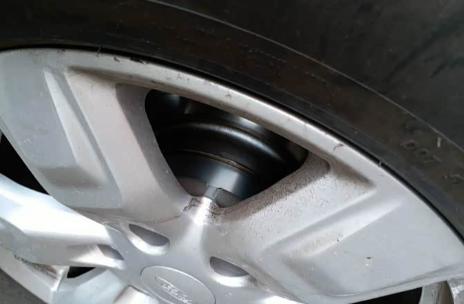
From the perspective of mechanical principles, the accuracy level of flanges (such as N-level tolerance) determines the accuracy of shaft alignment. High precision flanges can effectively reduce radial and axial runout caused by assembly errors, which is the key support for servo motor vibration intensity level A. Meanwhile, the flatness and parallelism of the flange surface can affect the distribution of contact stress, and improper stress concentration may cause micro motion wear, which is also an important reason for regular inspection of flange mating surfaces in industrial scenarios.
In industry practice, flange design with IP65 protection level means using special sealing structure and corrosion-resistant materials. This configuration can prevent dust from entering the moving pair and resist oil mist erosion in industrial environments. The German industrial standards have strict specifications for the material heat treatment and surface treatment of flanges, including parameters such as hardening layer depth and roughness control. These process details together form the technical basis for the systematic reliability of product labeling.
There are significant differences in the selection criteria for flanges for different application scenarios. Pay more attention to the fatigue strength of flanges in automated production lines that require frequent start stop operations; In continuously operating energy equipment, the focus is on examining its dimensional stability after long-term operation. Understanding these differences can help engineers select flange components that match the accuracy level and material properties based on actual working conditions.